
Comparing the best Credit Card Tokenization Software of 2026 includes 1. EnigmaVault 2. TokenEx 3. Spreedly 4. Stripe 5. Recurly 6. VGS (Very Good Security) 7. Chargebee 8. Authorize.Net (Customer Information Manager) 9. Worldpay OmniToken 10. Adyen.
TL;DR
- EnigmaVault: Best overall, PCI DSS Level 1 Card Vault, format-preserving tokens, processor-agnostic, starts free.
- TokenEx: Best processor-agnostic, universal card token vault connecting to any processor, 4.4/5 G2.
- Spreedly: Best multi-processor, 120+ processor integrations, card tokenization with payment orchestration, 4.5/5 G2.
- Stripe: Best all-in-one, card tokenization built into full payment processing, 13,000+ G2 reviews at 4.3/5.
- Recurly: Best for subscriptions, specialized subscription billing with card vault, 4.4/5 G2 across 424 reviews.
Ten credit card tokenization platforms compared on PCI DSS Level 1 certification, format-preserving token support, network tokenization enrollment, processor independence, subscription billing, and total annual cost. Which ones give you genuine PAN scope elimination, which ones just move PCI liability to a processor, and what the real cost structure looks like per card stored per year.
What is credit card tokenization software?
Credit card tokenization software replaces primary account numbers (PANs) - the 16-digit card number - with non-sensitive tokens that can be safely stored, transmitted, and processed without exposing the cardholder data. The token maps back to the original PAN in a secure vault.
Proper card tokenization removes PAN storage from the merchant’s systems entirely, dramatically reducing PCI DSS compliance scope. Systems that handle only tokens (not PANs) fall outside the cardholder data environment, simplifying annual QSA assessments and reducing breach liability.
Best Credit Card Tokenization Software comparison: features, pricing and verdicts
| Tool | Best for | Starting price | Free trial | External rating |
|---|---|---|---|---|
PCI Level 1 Card Vault with format-preserving tokens and processor freedom | Free | Free Lite tier | G2 4.4/5 (6 reviews) | |
Universal card tokenization vault connecting to any processor | Custom quote | Demo available | G2 4.4/5 (18 reviews) | |
Card tokenization with 120+ processor routing | Custom quote | Free trial | G2 4.5/5 (47 reviews) | |
Card tokenization inside the most validated payment platform | 2.9% + $0.30/transaction | No setup fees | G2 4.3/5 (13,157 reviews) | |
Subscription-specialized card vault with 4.4/5 on G2 | $249/month | 14-day free trial | G2 4.4/5 (424 reviews) | |
Zero-data proxy with format-preserving credit card tokenization | Free tier | Free developer tier | G2 4.5/5 (52 reviews) | |
Subscription management with multi-gateway card vaulting | $599/month | 14-day free trial | G2 4.4/5 (1,196 reviews) | |
Veteran card vault with 7.9M merchant history | $25/month + $0.10/transaction | No setup fee | G2 4.1/5 (617 reviews) | |
Global network tokenization with omnichannel card vault | Custom quote | Sales engagement | G2 4.2/5 (76 reviews) | |
Enterprise card tokenization with global network token leadership | Interchange + ~0.3%/transaction | Enterprise contract | G2 4.1/5 (263 reviews) |
How we chose these tools
We compared each credit card tokenization platform on PCI DSS Level 1 certification, format-preserving token capability, network token support (Visa Token Service, Mastercard MDES), processor independence, subscription and recurring billing depth, and pricing transparency. G2 ratings pulled October 2026. Pricing verified from vendor sites or confirmed via third-party sources.
Read the full CEOPickz.com testing methodology, the scoring criteria, weights, and the data we collect for every tool.
Detailed reviews
EnigmaVault
PCI Level 1 Card Vault with format-preserving tokens and processor freedomWhat's great
- PCI DSS Level 1 certified - the highest PCI certification level, required for complete merchant cardholder data environment scope reduction
- Format-preserving tokens maintain the 16-digit card format; downstream systems require no schema changes or application updates
- map[Processor-agnostic vault:route the same token to any payment processor; no processor lock-in; free Lite tier for integration development]
Watch-outs
- Only 6 G2 reviews - thin independent review coverage compared to established card tokenization vendors like Stripe or Spreedly
- Card Vault is priced separately from other vault types; organizations with multi-vault needs pay per product
- No built-in payment orchestration (routing rules, cascading); requires integration with a routing layer for multi-processor strategies
Pricing breakdown
| Plan | Price | Best for |
|---|---|---|
| Lite | Free | Development and integration testing |
| Plus | $49.99/month | Production credit card tokenization |
| Premium | $249.99/month | High-volume card tokenization |
Security & compliance
| Standard | Availability |
|---|---|
| Audit logs | Yes |
| Fedramp | No |
| GDPR | Yes |
| HIPAA | Yes |
| Iso27001 | Yes |
| Pci dss l1 | Yes |
| SOC 2 Type II | Yes |
EnigmaVault compliance summary: Audit logs is yes, fedramp is no, GDPR is yes, HIPAA is yes, iso27001 is yes, pci dss l1 is yes, and SOC 2 Type II is yes.
Key integrations
| Integration | Type |
|---|---|
| Gmail | N/A |
| Outlook | N/A |
| Slack | N/A |
| LinkedIn Sales Navigator | N/A |
| Outreach / Salesloft | N/A |
EnigmaVault integration summary: Gmail is not specified, Outlook is not specified, Slack is not specified, LinkedIn Sales Navigator is not specified, and Outreach or Salesloft is not specified.
Feature availability
| Feature | Status |
|---|---|
| Free tier | ✓ |
| Format preserving | ✓ |
| Network tokenization | ✗ |
| Processor agnostic | ✓ |
| Subscription billing | ✗ |
EnigmaVault feature availability summary: Free tier (✓), Format preserving (✓), Network tokenization (✗), Processor agnostic (✓), and Subscription billing (✗).
Loading reviews…
TokenEx
Universal card tokenization vault connecting to any processorWhat's great
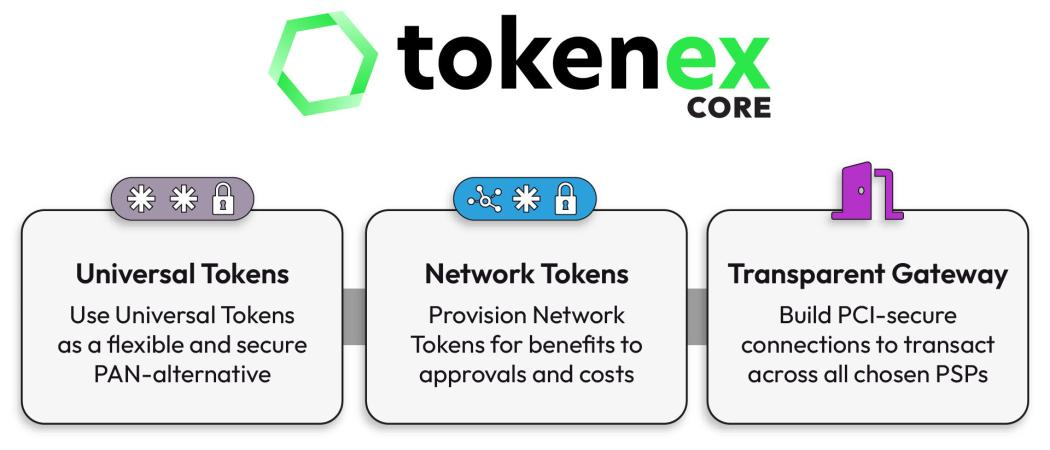
- Transparent gateway intercepts card data at collection, tokenizes before it reaches merchant systems, and forwards tokens to processors - zero PAN ever hits merchant infrastructure
- map[Multiple token format options:format-preserving, random, and hash-based per downstream system or reporting requirement]
- Connects to any payment processor without requiring new processor integrations; existing processor relationships preserved
Watch-outs
- Custom quote pricing with no self-serve entry point or published rates
- 18 G2 reviews is growing but thin relative to processor-native platforms like Stripe
- Payment orchestration (smart routing, cascading) not built-in; Spreedly offers better multi-processor routing intelligence
Pricing breakdown
| Plan | Price | Best for |
|---|---|---|
| Enterprise | Custom quote | Processor-agnostic card tokenization vault |
Security & compliance
| Standard | Availability |
|---|---|
| Audit logs | Yes |
| Fedramp | No |
| GDPR | Yes |
| HIPAA | Yes |
| Iso27001 | Yes |
| Pci dss l1 | Yes |
| SOC 2 Type II | Yes |
TokenEx compliance summary: Audit logs is yes, fedramp is no, GDPR is yes, HIPAA is yes, iso27001 is yes, pci dss l1 is yes, and SOC 2 Type II is yes.
Key integrations
| Integration | Type |
|---|---|
| Gmail | N/A |
| Outlook | N/A |
| Slack | N/A |
| LinkedIn Sales Navigator | N/A |
| Outreach / Salesloft | N/A |
TokenEx integration summary: Gmail is not specified, Outlook is not specified, Slack is not specified, LinkedIn Sales Navigator is not specified, and Outreach or Salesloft is not specified.
Feature availability
| Feature | Status |
|---|---|
| Free tier | ✗ |
| Format preserving | ✓ |
| Network tokenization | ✓ |
| Processor agnostic | ✓ |
| Subscription billing | ✓ |
TokenEx feature availability summary: Free tier (✗), Format preserving (✓), Network tokenization (✓), Processor agnostic (✓), and Subscription billing (✓).
Loading reviews…
Spreedly
Card tokenization with 120+ processor routingWhat's great
- 4.5/5 on G2 across 47 reviews - the highest-rated dedicated tokenization platform in this guide
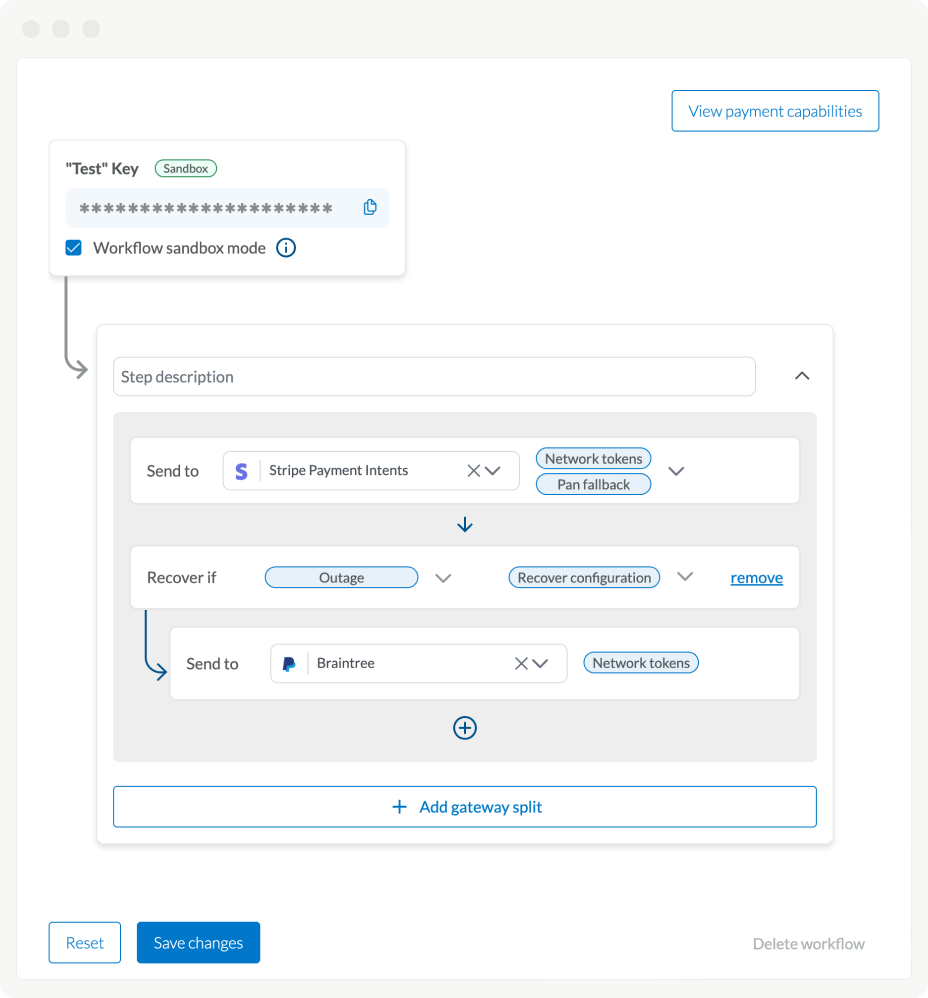
- 120+ payment gateway integrations; one card token routes to any connected processor; best multi-processor support in the comparison
- Payment orchestration layer adds intelligent routing, cascading, and retry logic on top of card tokenization without adding processors
Watch-outs
- No published pricing; custom quote required for all tiers beyond the free trial
- Not a payment processor itself; Spreedly tokenizes and routes but requires existing processor relationships
- Network tokenization enrollment requires additional configuration and Spreedly partnership agreements with card networks
Pricing breakdown
| Plan | Price | Best for |
|---|---|---|
| Starter | Free trial | Integration development and testing |
| Growth | Custom quote | Production multi-processor routing |
| Enterprise | Custom quote | High-volume card tokenization with orchestration |
Security & compliance
| Standard | Availability |
|---|---|
| Audit logs | Yes |
| Fedramp | No |
| GDPR | Yes |
| HIPAA | No |
| Iso27001 | Yes |
| Pci dss l1 | Yes |
| SOC 2 Type II | Yes |
Spreedly compliance summary: Audit logs is yes, fedramp is no, GDPR is yes, HIPAA is no, iso27001 is yes, pci dss l1 is yes, and SOC 2 Type II is yes.
Key integrations
| Integration | Type |
|---|---|
| Gmail | N/A |
| Outlook | N/A |
| Slack | N/A |
| LinkedIn Sales Navigator | N/A |
| Outreach / Salesloft | N/A |
Spreedly integration summary: Gmail is not specified, Outlook is not specified, Slack is not specified, LinkedIn Sales Navigator is not specified, and Outreach or Salesloft is not specified.
Feature availability
| Feature | Status |
|---|---|
| Free tier | ✓ trial |
| Format preserving | ✓ |
| Network tokenization | ✓ |
| Processor agnostic | ✓ |
| Subscription billing | ✓ |
Spreedly feature availability summary: Free tier (✓ trial), Format preserving (✓), Network tokenization (✓), Processor agnostic (✓), and Subscription billing (✓).
Loading reviews…
Stripe
Card tokenization inside the most validated payment platformWhat's great
- 13,157 G2 reviews at 4.3/5 - by far the most independently validated platform in this comparison
- Stripe.js and Stripe Elements handle card collection and PAN-to-token conversion on the client side; merchant servers receive only tokens
- Network token enrollment (Visa Token Service, Mastercard MDES) built in; Stripe manages enrollment and lifecycle automatically
Watch-outs
- map[Processor lock-in:Stripe tokens only work with Stripe; migrating processors requires card data export and re-enrollment]
- 2.9% + $0.30/transaction becomes expensive above mid-market volume; enterprise custom pricing requires $1M+ annual volume to negotiate
- Stripe holds the key vault; you cannot independently audit the token→PAN mapping without going through Stripe's data portability process
Pricing breakdown
| Plan | Price | Best for |
|---|---|---|
| Standard | 2.9% + $0.30/transaction | Standard card acceptance |
| Custom | Negotiated discount | Enterprise volume above $1M/year |
Security & compliance
| Standard | Availability |
|---|---|
| Audit logs | Yes |
| Fedramp | No |
| GDPR | Yes |
| HIPAA | No |
| Iso27001 | Yes |
| Pci dss l1 | Yes |
| SOC 2 Type II | Yes |
Stripe compliance summary: Audit logs is yes, fedramp is no, GDPR is yes, HIPAA is no, iso27001 is yes, pci dss l1 is yes, and SOC 2 Type II is yes.
Key integrations
| Integration | Type |
|---|---|
| Gmail | N/A |
| Outlook | N/A |
| Slack | N/A |
| LinkedIn Sales Navigator | N/A |
| Outreach / Salesloft | N/A |
Stripe integration summary: Gmail is not specified, Outlook is not specified, Slack is not specified, LinkedIn Sales Navigator is not specified, and Outreach or Salesloft is not specified.
Feature availability
| Feature | Status |
|---|---|
| Free tier | ✗ |
| Format preserving | ✓ |
| Network tokenization | ✓ |
| Processor agnostic | ✗ |
| Subscription billing | ✓ |
Stripe feature availability summary: Free tier (✗), Format preserving (✓), Network tokenization (✓), Processor agnostic (✗), and Subscription billing (✓).
Loading reviews…
Recurly
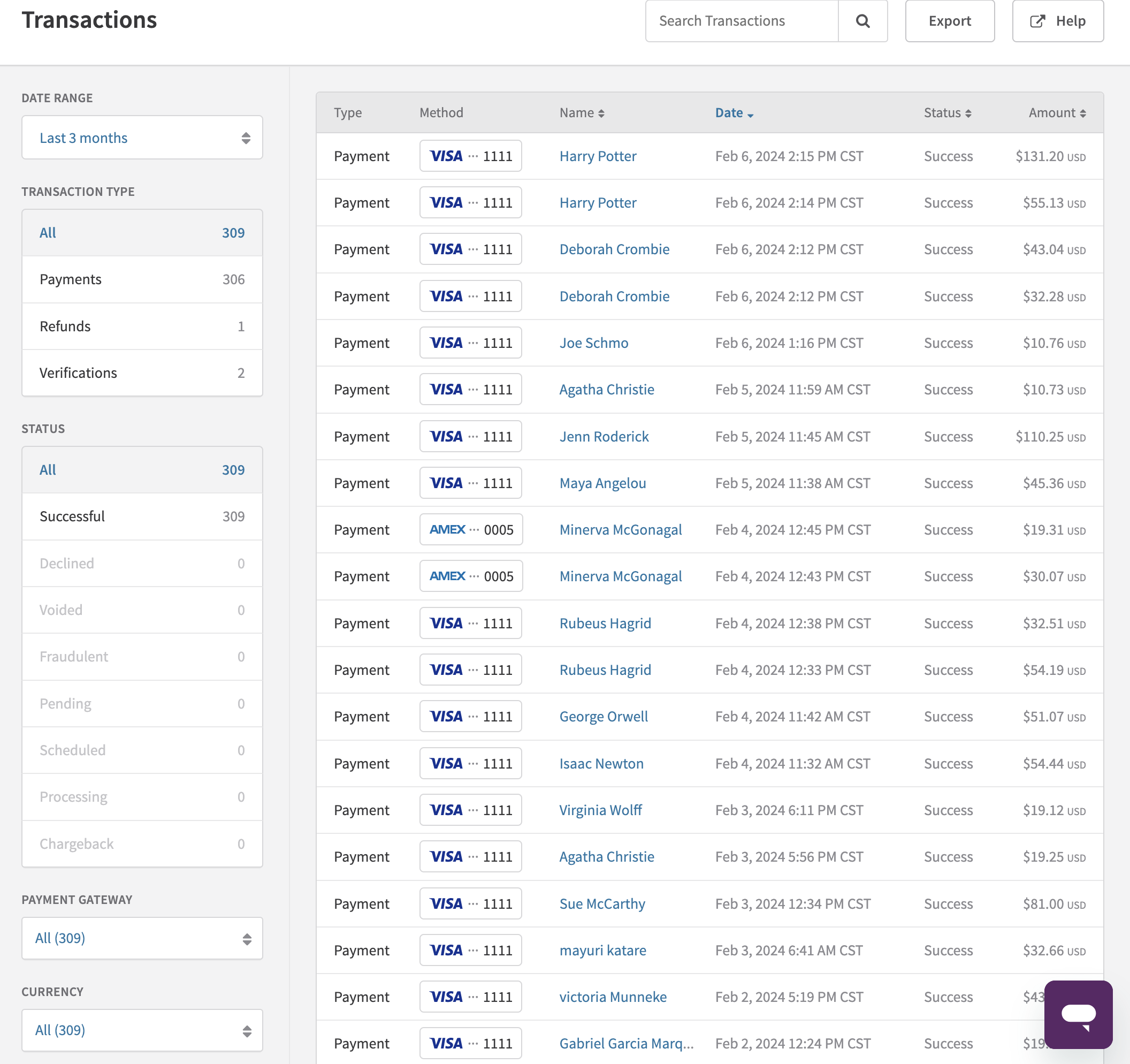
Subscription-specialized card vault with 4.4/5 on G2What's great
- 4.4/5 on G2 across 424 reviews - the most validated subscription billing platform in this comparison
- Account Updater automatically refreshes tokenized card data when cards are reissued, reducing involuntary churn
- Connects to 20+ payment gateways; the card token vault is gateway-portable within Recurly's supported network
Watch-outs
- $249/month minimum plus 0.9% of revenue; the percentage-of-revenue fee becomes significant at scale
- Specialized for recurring/subscription billing; not the right tool for one-time card tokenization use cases
- Card tokens are stored in Recurly's vault; gateway portability is limited to Recurly's supported gateway list
Pricing breakdown
| Plan | Price | Best for |
|---|---|---|
| Starter | $249/month + 0.9% of revenue | SaaS and subscription businesses to $200K MRR |
| Professional | Custom quote | Enterprise subscription billing above $200K MRR |
Security & compliance
| Standard | Availability |
|---|---|
| Audit logs | Yes |
| Fedramp | No |
| GDPR | Yes |
| HIPAA | No |
| Iso27001 | Yes |
| Pci dss l1 | Yes |
| SOC 2 Type II | Yes |
Recurly compliance summary: Audit logs is yes, fedramp is no, GDPR is yes, HIPAA is no, iso27001 is yes, pci dss l1 is yes, and SOC 2 Type II is yes.
Key integrations
| Integration | Type |
|---|---|
| Gmail | N/A |
| Outlook | N/A |
| Slack | N/A |
| LinkedIn Sales Navigator | N/A |
| Outreach / Salesloft | N/A |
Recurly integration summary: Gmail is not specified, Outlook is not specified, Slack is not specified, LinkedIn Sales Navigator is not specified, and Outreach or Salesloft is not specified.
Feature availability
| Feature | Status |
|---|---|
| Free tier | ✓ 14-day trial |
| Format preserving | ✓ |
| Network tokenization | ✓ |
| Processor agnostic | ✓ within Recurly |
| Subscription billing | ✓ |
Recurly feature availability summary: Free tier (✓ 14-day trial), Format preserving (✓), Network tokenization (✓), Processor agnostic (✓ within Recurly), and Subscription billing (✓).
Loading reviews…
VGS (Very Good Security)
Zero-data proxy with format-preserving credit card tokenizationWhat's great
- 10 billion tokens stored and 10 billion monthly interactions processed - one of the largest scale data tokenization platforms in production; Visa, Andreessen Horowitz, and Goldman Sachs have all invested
- Format-preserving aliases maintain the 16-digit numeric format with BIN and last four preserved - your downstream payment systems require zero schema changes because the token looks like a real card number
- Free developer tier gets you into production testing immediately; the zero-data proxy model means your application code does not change at all - you just route traffic through VGS
Watch-outs
- VGS sits in the network path as a proxy; if the proxy has latency or availability issues, your payment flows are affected - this is an infrastructure dependency you need to account for
- Your card tokens are VGS-specific; migrating to another processor requires a vault export negotiation, not a simple API swap
- Production workloads require a custom-priced paid plan; there is no published rate card, so you cannot budget it without a sales conversation

Pricing breakdown
| Plan | Price | Best for |
|---|---|---|
| Developer | Free | Testing and development |
| Growth | Custom quote | Production card tokenization with PCI scope reduction |
| Enterprise | Custom quote | High-volume fintech card data protection |
Security & compliance
| Standard | Availability |
|---|---|
| Audit logs | Yes |
| Fedramp | No |
| GDPR | Yes |
| HIPAA | Yes |
| Iso27001 | Yes |
| Pci dss l1 | Yes |
| SOC 2 Type II | Yes |
VGS (Very Good Security) compliance summary: Audit logs is yes, fedramp is no, GDPR is yes, HIPAA is yes, iso27001 is yes, pci dss l1 is yes, and SOC 2 Type II is yes.
Key integrations
| Integration | Type |
|---|---|
| Gmail | N/A |
| Outlook | N/A |
| Slack | N/A |
| LinkedIn Sales Navigator | N/A |
| Outreach / Salesloft | N/A |
VGS (Very Good Security) integration summary: Gmail is not specified, Outlook is not specified, Slack is not specified, LinkedIn Sales Navigator is not specified, and Outreach or Salesloft is not specified.
Feature availability
| Feature | Status |
|---|---|
| Free tier | ✓ |
| Format preserving | ✓ |
| Network tokenization | ✓ |
| Processor agnostic | ✓ |
| Subscription billing | ✓ |
VGS (Very Good Security) feature availability summary: Free tier (✓), Format preserving (✓), Network tokenization (✓), Processor agnostic (✓), and Subscription billing (✓).
Loading reviews…
Chargebee
Subscription management with multi-gateway card vaultingWhat's great
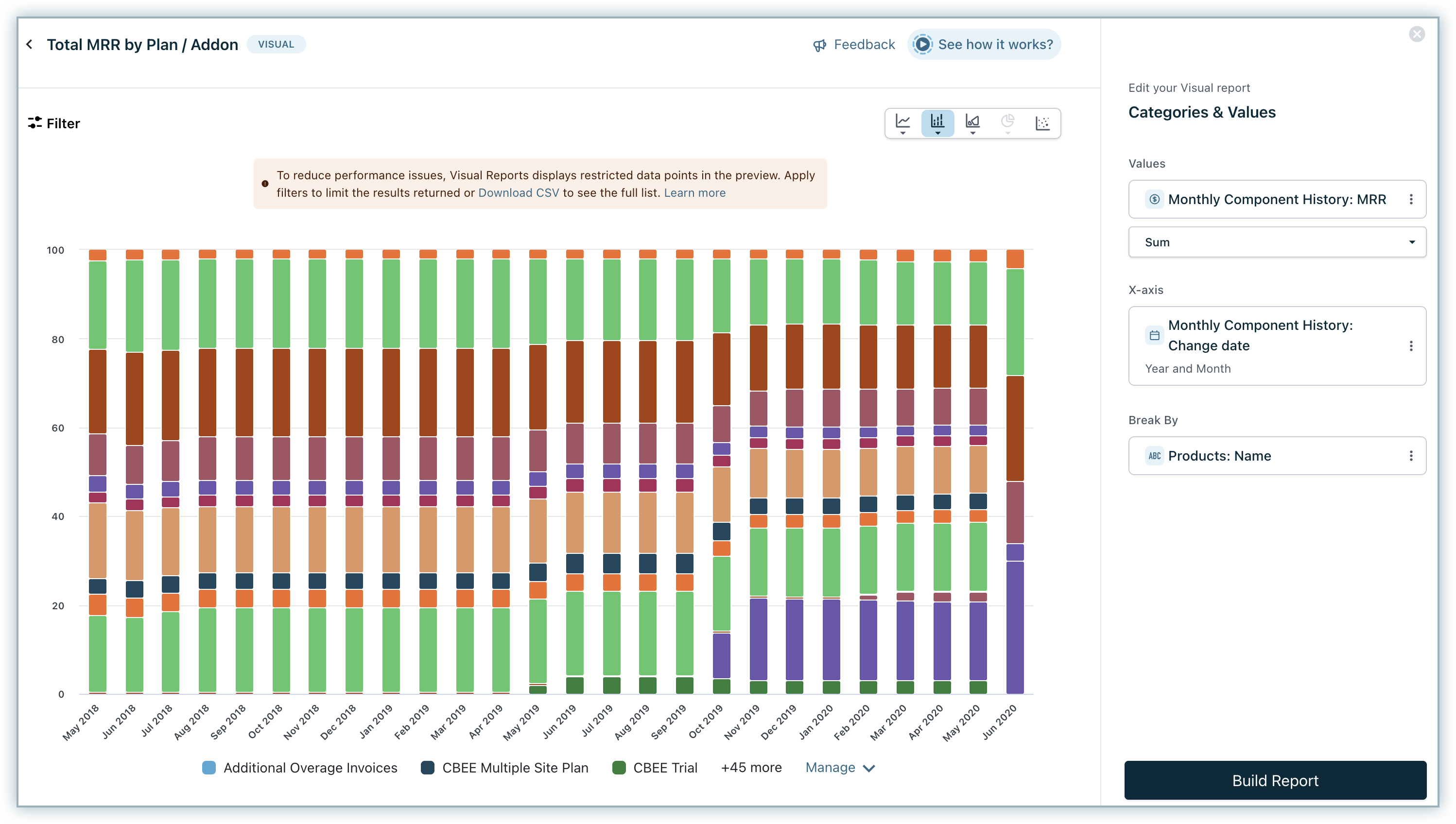
- 4.4/5 on G2 across 1,196 reviews - the most validated subscription billing platform in this guide and one of the most reviewed SaaS billing tools overall
- map[Multi-gateway card vault:tokenized cards route to Stripe, Braintree, Adyen, and 30+ gateways without recollection]
- Revenue recognition (ASC 606, IFRS 15) and SaaS metrics built-in alongside card tokenization - most complete billing operations platform
Watch-outs
- $599/month starting tier is expensive relative to Recurly for smaller subscription businesses
- Card tokenization is a feature within the billing platform, not a standalone service; overkill for non-subscription card storage
- Advanced features (revenue recognition, advanced analytics) require higher tiers; total cost climbs fast at enterprise scale
Pricing breakdown
| Plan | Price | Best for |
|---|---|---|
| Performance | $599/month | SaaS businesses needing full billing + card vault |
| Enterprise | Custom quote | Large-scale subscription billing with revenue ops |
Security & compliance
| Standard | Availability |
|---|---|
| Audit logs | Yes |
| Fedramp | No |
| GDPR | Yes |
| HIPAA | No |
| Iso27001 | Yes |
| Pci dss l1 | Yes |
| SOC 2 Type II | Yes |
Chargebee compliance summary: Audit logs is yes, fedramp is no, GDPR is yes, HIPAA is no, iso27001 is yes, pci dss l1 is yes, and SOC 2 Type II is yes.
Key integrations
| Integration | Type |
|---|---|
| Gmail | N/A |
| Outlook | N/A |
| Slack | N/A |
| LinkedIn Sales Navigator | N/A |
| Outreach / Salesloft | N/A |
Chargebee integration summary: Gmail is not specified, Outlook is not specified, Slack is not specified, LinkedIn Sales Navigator is not specified, and Outreach or Salesloft is not specified.
Feature availability
| Feature | Status |
|---|---|
| Free tier | ✓ 14-day trial |
| Format preserving | ✓ |
| Network tokenization | ✓ |
| Processor agnostic | ✓ within Chargebee |
| Subscription billing | ✓ |
Chargebee feature availability summary: Free tier (✓ 14-day trial), Format preserving (✓), Network tokenization (✓), Processor agnostic (✓ within Chargebee), and Subscription billing (✓).
Loading reviews…
Authorize.Net (Customer Information Manager)
Veteran card vault with 7.9M merchant historyWhat's great
- Customer Information Manager (CIM) stores tokenized cards in Authorize.Net's PCI compliant vault for recurring billing without PAN retention
- $25/month + $0.10/transaction is the most transparent and accessible published pricing for a full card tokenization + gateway package in this guide
- 617 G2 reviews at 4.1/5; decades of merchant history and established integrations with traditional e-commerce platforms
Watch-outs
- Authorize.Net is owned by Visa/CyberSource; long-term product roadmap follows CyberSource's enterprise priorities
- Developer experience and API design lag modern competitors; the API feels dated relative to Stripe or Braintree
- Limited payment method breadth (primarily cards and eCheck); no native PayPal, Apple Pay, or Google Pay vault management
Pricing breakdown
| Plan | Price | Best for |
|---|---|---|
| All-in-One | $25/month + 2.9% + $0.30 | Merchant with no existing processor relationship |
| Payment Gateway Only | $25/month + $0.10/transaction | Merchant with existing processor |
Security & compliance
| Standard | Availability |
|---|---|
| Audit logs | Yes |
| Fedramp | No |
| GDPR | Yes |
| HIPAA | No |
| Iso27001 | Yes |
| Pci dss l1 | Yes |
| SOC 2 Type II | Yes |
Authorize.Net (Customer Information Manager) compliance summary: Audit logs is yes, fedramp is no, GDPR is yes, HIPAA is no, iso27001 is yes, pci dss l1 is yes, and SOC 2 Type II is yes.
Key integrations
| Integration | Type |
|---|---|
| Gmail | N/A |
| Outlook | N/A |
| Slack | N/A |
| LinkedIn Sales Navigator | N/A |
| Outreach / Salesloft | N/A |
Authorize.Net (Customer Information Manager) integration summary: Gmail is not specified, Outlook is not specified, Slack is not specified, LinkedIn Sales Navigator is not specified, and Outreach or Salesloft is not specified.
Feature availability
| Feature | Status |
|---|---|
| Free tier | ✗ |
| Format preserving | ✓ |
| Network tokenization | ✗ |
| Processor agnostic | ✗ |
| Subscription billing | ✓ |
Authorize.Net (Customer Information Manager) feature availability summary: Free tier (✗), Format preserving (✓), Network tokenization (✗), Processor agnostic (✗), and Subscription billing (✓).
Loading reviews…
Worldpay OmniToken
Global network tokenization with omnichannel card vaultWhat's great
- Format-preserving tokenization that passes Luhn algorithm checks - your existing payment middleware validates the token format as if it were a real card number, so legacy systems need no code changes
- Single OmniToken works across card-present in-store, card-not-present ecommerce, and mobile - no separate tokenization scheme per channel; one token follows your customer everywhere
- Described in Worldpay's own documentation as "flexible and interoperable" with third-party service providers; OmniToken is separate from network tokens, giving you control over which token type you use
Watch-outs
- Enterprise-only; no self-serve developer access and no published pricing - you need a formal Worldpay partnership engagement before you evaluate cost
- Primarily designed for Worldpay acquiring customers; portability to third-party processors requires a migration negotiation
- No dedicated product demo video publicly available; evaluation relies entirely on vendor documentation and reference calls
Pricing breakdown
| Plan | Price | Best for |
|---|---|---|
| Enterprise | Custom quote | Large omnichannel merchants needing cross-channel card token persistence |
Security & compliance
| Standard | Availability |
|---|---|
| Audit logs | Yes |
| Fedramp | No |
| GDPR | Yes |
| HIPAA | No |
| Iso27001 | Yes |
| Pci dss l1 | Yes |
| SOC 2 Type II | Yes |
Worldpay OmniToken compliance summary: Audit logs is yes, fedramp is no, GDPR is yes, HIPAA is no, iso27001 is yes, pci dss l1 is yes, and SOC 2 Type II is yes.
Key integrations
| Integration | Type |
|---|---|
| Gmail | N/A |
| Outlook | N/A |
| Slack | N/A |
| LinkedIn Sales Navigator | N/A |
| Outreach / Salesloft | N/A |
Worldpay OmniToken integration summary: Gmail is not specified, Outlook is not specified, Slack is not specified, LinkedIn Sales Navigator is not specified, and Outreach or Salesloft is not specified.
Feature availability
| Feature | Status |
|---|---|
| Free tier | ✗ |
| Format preserving | ✓ |
| Network tokenization | ✓ |
| Processor agnostic | ✗ |
| Subscription billing | ✓ |
Worldpay OmniToken feature availability summary: Free tier (✗), Format preserving (✓), Network tokenization (✓), Processor agnostic (✗), and Subscription billing (✓).
Loading reviews…
Adyen
Enterprise card tokenization with global network token leadershipWhat's great
- Native enrollment in Visa Token Service and Mastercard MDES with direct issuer relationships; delivers measurably higher authorization rates than merchant token approaches
- Unified platform covering card tokenization, digital wallets, bank transfers, and alternative payment methods in 200+ markets
- 263 G2 reviews at 4.1/5; enterprise merchants consistently cite global acquiring network depth and reporting quality
Watch-outs
- Minimum volume requirements make Adyen inaccessible for merchants below significant transaction thresholds
- 3-6 month enterprise onboarding process; not suitable for teams with time-sensitive deployment requirements
- Authorization rate uplift from network tokens depends heavily on customer card mix; Visa/Mastercard issuers deliver the improvement; local scheme tokens less consistent

Pricing breakdown
| Plan | Price | Best for |
|---|---|---|
| Enterprise | Interchange + ~0.3%/transaction | Enterprise global card acceptance |
Security & compliance
| Standard | Availability |
|---|---|
| Audit logs | Yes |
| Fedramp | No |
| GDPR | Yes |
| HIPAA | No |
| Iso27001 | Yes |
| Pci dss l1 | Yes |
| SOC 2 Type II | Yes |
Adyen compliance summary: Audit logs is yes, fedramp is no, GDPR is yes, HIPAA is no, iso27001 is yes, pci dss l1 is yes, and SOC 2 Type II is yes.
Key integrations
| Integration | Type |
|---|---|
| Gmail | N/A |
| Outlook | N/A |
| Slack | N/A |
| LinkedIn Sales Navigator | N/A |
| Outreach / Salesloft | N/A |
Adyen integration summary: Gmail is not specified, Outlook is not specified, Slack is not specified, LinkedIn Sales Navigator is not specified, and Outreach or Salesloft is not specified.
Feature availability
| Feature | Status |
|---|---|
| Free tier | ✗ |
| Format preserving | ✓ |
| Network tokenization | ✓ |
| Processor agnostic | ✗ |
| Subscription billing | ✓ |
Adyen feature availability summary: Free tier (✗), Format preserving (✓), Network tokenization (✓), Processor agnostic (✗), and Subscription billing (✓).
Loading reviews…
Why format-preserving tokens matter more than most merchants realize
The card number format is embedded deep in most merchant systems. Database column types, validation regex patterns, reporting fields, and third-party system integrations all assume a 16-digit numeric string in a specific format. When a tokenization solution generates a random alphanumeric string as a token - tok_8f4Kd9xT2nL - every downstream system that touches the field breaks or requires modification.
Format-preserving tokenization solves this by generating tokens that look like what they replace. A 16-digit Visa card number becomes a 16-digit numeric token. The Luhn checksum doesn’t match the real card (it’s a random number), but the format is preserved. The database column type doesn’t need to change. The validation regex doesn’t need updating. The downstream system that displays the last four digits of the stored card still works.
This is not a minor convenience. In legacy e-commerce platforms, enterprise ERP systems, and SaaS billing platforms built before modern payment APIs, the cost of changing a card number field’s format can be months of engineering work. Format-preserving tokenization eliminates that cost.
EnigmaVault, TokenEx, Spreedly, Stripe, and all major platforms in this guide support format-preserving tokens. The providers that don’t - typically open-source tokenization tools or developer utilities - require downstream system modifications that make the integration project substantially larger.
The account updater problem
The second most common failure mode after processor lock-in is the account updater gap.
Credit cards get reissued constantly: the card expires, the bank issues a replacement, the issuer detects fraud and issues a new card with a new number. When a merchant has a customer’s card tokenized for recurring billing, card reissuance means the next billing attempt fails. The merchant has to contact the customer to update their payment method. In subscription businesses, this involuntary churn typically accounts for 20-40% of total churn.
Account Updater services (Visa Account Updater, Mastercard Automatic Billing Updater) allow payment platforms to automatically update stored card data when a card is reissued - if the merchant has a tokenized card on file, the account updater pushes the new card data to the token vault before the next billing cycle, and the subscription charge succeeds.
Most major platforms in this guide support account updater - but the enrollment, cost, and activation vary significantly. Stripe manages network token lifecycle automatically at no additional fee. Recurly offers Account Updater as a built-in feature of the subscription vault. Authorize.Net charges separately for Account Updater enrollment. TokenEx and EnigmaVault’s Card Vault support account updater integration at the processor level - the processor’s account updater service is enrolled and updates flow to the token vault through the processor relationship.
If subscription churn is a business priority, the account updater story should be part of every credit card tokenization vendor evaluation.
How we chose these ten tools
We evaluated each credit card tokenization platform on PCI DSS Level 1 certification, format-preserving token support, network token enrollment capability, processor independence, subscription and recurring billing depth, pricing transparency, and G2 reviewer satisfaction weighted by review count. Ratings pulled October 2026. Pricing verified from vendor sites or third-party sources.
For corrections or feedback, email hello@ceopickz.com .
Frequently asked questions
EnigmaVault vs TokenEx for credit card tokenization: which has lower processor lock-in risk?
Both are processor-agnostic independent vaults with no lock-in to a single processor. EnigmaVault is the better starting point on price - free Lite tier vs TokenEx's custom enterprise pricing - and holds PCI DSS Level 1, SOC 2 Type II, and ISO 27001 in one package. TokenEx has deeper processor connector coverage and is the more established option for large enterprise merchants managing card data across 10+ processors. For a mid-market company with one or two processors and budget sensitivity, EnigmaVault. For an enterprise with complex multi-processor routing already underway, TokenEx.
Does VGS (Very Good Security) support format-preserving credit card tokenization?
Yes. VGS (Very Good Security) uses a zero-data proxy model where credit card numbers are intercepted at the network layer and replaced with format-preserving aliases before touching merchant systems. The VGS alias looks like a real card number (16-digit numeric, preserves BIN and last four), satisfying downstream format validation requirements. VGS is particularly popular with fintech startups that want PCI scope reduction without building a vault - the proxy sits in front of the application and handles tokenization transparently. The difference from EnigmaVault: VGS is a proxy architecture; EnigmaVault is an API-based vault.
Which credit card tokenization software is best for SaaS subscription billing with high involuntary churn?
Recurly and Chargebee are the two strongest options specifically for subscription billing because both combine card tokenization with account updater services that automatically refresh tokenized cards when a card is reissued. Recurly has 424 G2 reviews at 4.4/5 and is purpose-built for subscription revenue recovery. Chargebee has 1,196 G2 reviews at 4.4/5 with stronger revenue operations and dunning logic. For subscription businesses where involuntary churn is the top payment metric, the built-in account updater in both platforms - rather than a standalone tokenization vault - is the right architecture.
Recurly vs Chargebee credit card vault: which reduces involuntary subscription churn more effectively?
Recurly's Revenue Recovery product is more specialized for churn reduction - it combines card tokenization, Visa/Mastercard Account Updater enrollment, and configurable dunning sequences with real-time retry logic in one product. Chargebee's equivalent (Smart Dunning with Retry Rules) has more configuration options and deeper integration with revenue operations tools like Salesforce and NetSuite. At comparable pricing ($249/month Recurly vs $599/month Chargebee Starter), Recurly wins on pure payment recovery; Chargebee wins if you also need a full revenue ops platform.
What is the cheapest credit card tokenization solution for an early-stage startup under $500/month budget?
EnigmaVault's free Lite tier is the only compliance-certified (PCI DSS Level 1 + SOC 2 + ISO 27001) option with no monthly cost - the best starting point for an early-stage startup. Authorize.Net CIM charges $25/month gateway fee with no per-token storage cost - another low-entry option for US-based businesses that want a known brand. Stripe's card tokenization is bundled into processing fees (2.9% + $0.30/transaction) with no separate vault cost - the simplest option if you just need one processor. For pure tokenization vault capability without processing, EnigmaVault is the only sub-$50/month certified option.
Can Stripe tokenize non-US issued credit cards for global SaaS subscription billing?
Yes. Stripe's tokenization supports card issuers from 195+ countries and handles multi-currency billing natively. The Stripe Customer object stores tokenized cards from any supported country, and Stripe's payment method attachment works with Visa, Mastercard, Amex, Discover, JCB, UnionPay, and local card networks in specific markets. For global SaaS billing, Stripe's combination of broad issuer acceptance, localized payment methods (SEPA Debit, iDEAL, BACS), and automatic currency conversion makes it the strongest all-in-one option - though processor lock-in applies.
Does Authorize.Net CIM support automatic credit card updater for stored subscription cards?
Yes. Authorize.Net's Card Information Updater (CIU) automatically updates stored card data in the CIM when Visa or Mastercard issues replacement cards - new expiry dates and new card numbers flow to the stored profile without customer action. CIU enrollment is available through Authorize.Net's merchant portal. The service is priced separately from the CIM subscription ($25/month gateway fee). For merchants using Authorize.Net as their primary processor with recurring billing, CIU + CIM is a complete tokenization-plus-updater solution at a predictable low monthly cost.
Skyflow vs TokenEx for PCI DSS Level 1 credit card vault: which is better for a fintech startup?
TokenEx is the more established option with longer PCI L1 history and broader processor connectivity. Skyflow is newer but architecturally differentiated - its polymorphic tokenization vault allows different roles to receive different views of the same token (last four only for support agents, full de-tokenized value for authorized backend systems). For a fintech startup building a card-issuing or payment platform where role-based data access is a compliance requirement, Skyflow's architecture is genuinely better. For a startup needing a processor-agnostic vault quickly with broad connector coverage, TokenEx or EnigmaVault is the faster path.
Related helpful reads
Write a review
Posts to the page right away. Keep it real — no links or email addresses.