
Comparing the best Customer Vault Tokenization Software of 2026 includes 1. EnigmaVault 2. Spreedly 3. Stripe (Customer API) 4. Chargebee 5. Payrails Token Vault 6. VGS (Very Good Security) 7. Authorize.Net (Customer Information Manager) 8. NMI Customer Vault 9. TokenEx 10. Evervault.
TL;DR
- EnigmaVault: Best overall, Customer Vault collects cards + documents + e-signatures via branded links, no customer login required, PCI L1 + SOC 2 + ISO 27001.
- Spreedly: Best multi-processor, independent card vault routing to 120+ gateways, 4.5/5 G2.
- Stripe: Best all-in-one, tokenized customer profiles with cards + wallets + BNPL in one platform, 4.3/5 G2.
- Chargebee: Best for subscriptions, tokenized vault integrated with subscription billing + revenue ops, 4.4/5 G2 across 1,196 reviews.
- Authorize.Net CIM: Best traditional gateway, $25/month transparent pricing, 4.1/5 G2 across 617 reviews.
Ten customer vault tokenization platforms compared on secure payment method storage, document and e-signature collection, multi-method vault support, PCI compliance, branded intake flows, and total cost. Which ones store cards alone, which ones handle the full customer payment profile (cards, documents, signatures, ACH), and what the right vault architecture looks like for your business model.
What is customer vault tokenization software?
Customer vault tokenization software creates a secure, tokenized profile for each customer that stores payment methods (credit cards, ACH, bank accounts), identity documents, and e-signatures - without the merchant retaining the raw sensitive data.
A customer vault is the long-term storage layer for recurring customer relationships: the customer provides payment information once, it is tokenized and vaulted, and subsequent charges or document requests use the vault profile rather than re-collecting sensitive information each time.
Best Customer Vault Tokenization Software comparison: features, pricing and verdicts
| Tool | Best for | Starting price | Free trial | External rating |
|---|---|---|---|---|
Customer Vault collecting cards, documents, and e-signatures via branded links | Free | Free Lite tier | G2 4.4/5 (6 reviews) | |
Independent customer card vault routing to 120+ processors | Custom quote | Free trial | G2 4.5/5 (47 reviews) | |
Tokenized customer profiles inside the full Stripe payment stack | 2.9% + $0.30/transaction | No setup fees | G2 4.3/5 (13,157 reviews) | |
Subscription-optimized customer vault with revenue operations | $599/month | 14-day free trial | G2 4.4/5 (1,196 reviews) | |
Enterprise multi-PSP customer vault with network token lifecycle management | Custom quote | Sales engagement | G2 4.3/5 (18 reviews) | |
Zero-data proxy vault for customer payment data without PCI overhead | Free tier | Free developer tier | G2 4.5/5 (52 reviews) | |
Transparent-priced customer vault for traditional merchants | $25/month | No setup fee | G2 4.1/5 (617 reviews) | |
Multi-merchant customer vault for ISOs and ISVs | Custom partner pricing | Partner program | G2 4.2/5 (43 reviews) | |
Universal customer payment vault connecting to any processor | Custom quote | Demo available | G2 4.4/5 (18 reviews) | |
Developer-first cryptographic vault with zero-data architecture | Free tier | Free developer tier | G2 4.6/5 (14 reviews) |
How we chose these tools
We compared each customer vault platform on payment method coverage (cards, ACH, digital wallets), document and e-signature collection capability, branded intake flow options, PCI DSS Level 1 certification, multi-tenant isolation for agencies and platforms, audit logging depth, and pricing transparency. G2 ratings pulled October 2026. Pricing verified from vendor sites or confirmed via third-party sources.
Read the full CEOPickz.com testing methodology, the scoring criteria, weights, and the data we collect for every tool.
Detailed reviews
EnigmaVault
Customer Vault collecting cards, documents, and e-signatures via branded linksWhat's great
- Collects cards, documents, and e-signatures in one branded intake flow sent via secure expiring link - no customer account creation required
- PCI DSS Level 1, SOC 2 Type II, and ISO 27001 certified; multi-tenant isolation with full audit logging per customer profile
- Free Lite tier for development and initial customer onboarding; Plus at $49.99/month; Premium at $249.99/month - accessible pricing unique among PCI L1 certified vault providers
Watch-outs
- Only 6 G2 reviews - thin independent validation relative to established platforms like Stripe, Chargebee, or Authorize.Net
- Customer Vault is priced separately from Card Vault and Data Vault; organizations using all three pay per product
- Native recurring billing automation requires integration with a billing platform; EnigmaVault is the vault layer, not the billing engine
Pricing breakdown
| Plan | Price | Best for |
|---|---|---|
| Lite | Free | Development and low-volume customer onboarding |
| Plus | $49.99/month | Production customer vault with branded intake |
| Premium | $249.99/month | High-volume customer onboarding and enterprise multi-tenant |
Security & compliance
| Standard | Availability |
|---|---|
| Audit logs | Yes |
| Fedramp | No |
| GDPR | Yes |
| HIPAA | Yes |
| Iso27001 | Yes |
| Pci dss l1 | Yes |
| SOC 2 Type II | Yes |
EnigmaVault compliance summary: Audit logs is yes, fedramp is no, GDPR is yes, HIPAA is yes, iso27001 is yes, pci dss l1 is yes, and SOC 2 Type II is yes.
Key integrations
| Integration | Type |
|---|---|
| Gmail | N/A |
| Outlook | N/A |
| Slack | N/A |
| LinkedIn Sales Navigator | N/A |
| Outreach / Salesloft | N/A |
EnigmaVault integration summary: Gmail is not specified, Outlook is not specified, Slack is not specified, LinkedIn Sales Navigator is not specified, and Outreach or Salesloft is not specified.
Feature availability
| Feature | Status |
|---|---|
| Free tier | ✓ |
| Ach | ✓ |
| Branded intake | ✓ |
| Cards | ✓ |
| Documents | ✓ |
| E signature | ✓ |
| No customer login | ✓ |
EnigmaVault feature availability summary: Free tier (✓), Ach (✓), Branded intake (✓), Cards (✓), Documents (✓), E signature (✓), and No customer login (✓).
Loading reviews…
Spreedly
Independent customer card vault routing to 120+ processorsWhat's great
- 4.5/5 on G2 across 47 reviews - the highest-rated dedicated customer vault in this comparison
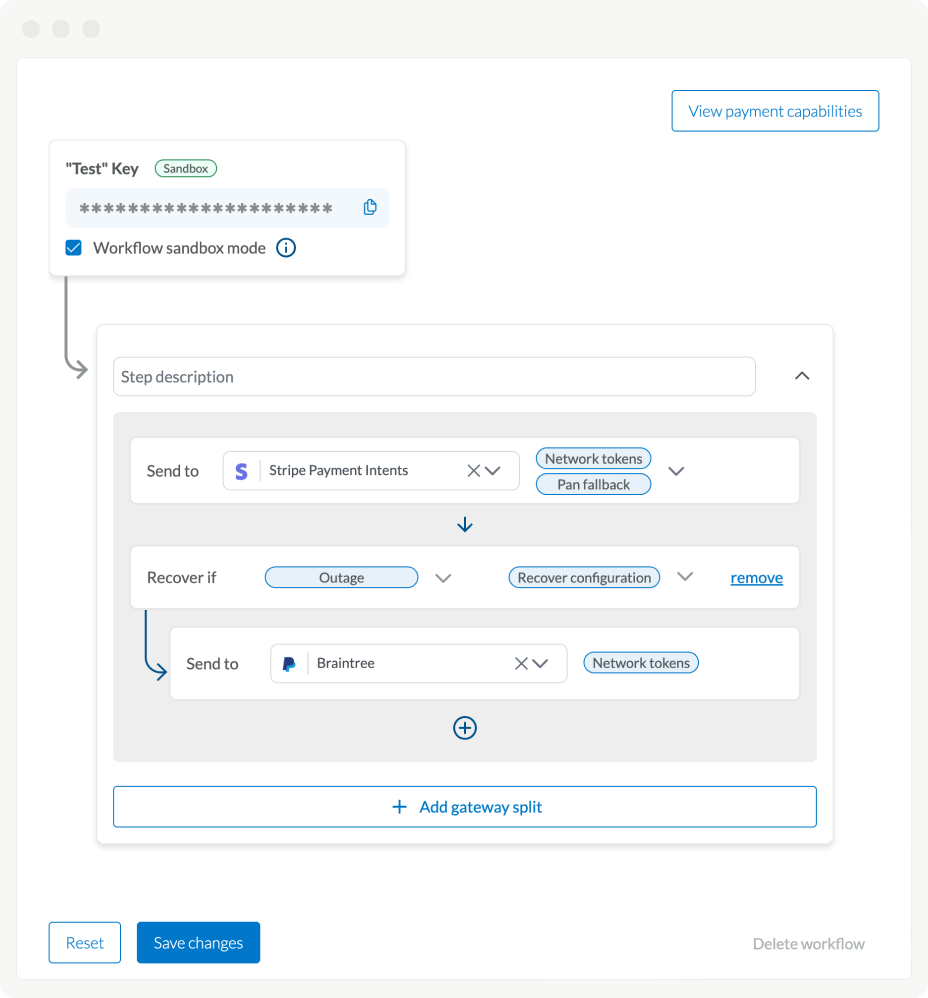
- 120+ processor integrations from a single vault; customer payment profiles route to any connected processor without re-collection
- map[Independent vault ownership:customer tokens are Spreedly-issued, not processor-issued; processor changes do not require re-collecting customer payment data]
Watch-outs
- Card-focused vault; does not natively collect documents, e-signatures, or non-payment customer data
- No published pricing; custom quote required for all commercial deployments
- Spreedly is a vault and routing layer, not a billing platform; subscription management and revenue operations require separate tooling
Pricing breakdown
| Plan | Price | Best for |
|---|---|---|
| Starter | Free trial | Integration development and testing |
| Growth | Custom quote | Production customer payment vault |
| Enterprise | Custom quote | High-volume multi-processor customer vault |
Security & compliance
| Standard | Availability |
|---|---|
| Audit logs | Yes |
| Fedramp | No |
| GDPR | Yes |
| HIPAA | No |
| Iso27001 | Yes |
| Pci dss l1 | Yes |
| SOC 2 Type II | Yes |
Spreedly compliance summary: Audit logs is yes, fedramp is no, GDPR is yes, HIPAA is no, iso27001 is yes, pci dss l1 is yes, and SOC 2 Type II is yes.
Key integrations
| Integration | Type |
|---|---|
| Gmail | N/A |
| Outlook | N/A |
| Slack | N/A |
| LinkedIn Sales Navigator | N/A |
| Outreach / Salesloft | N/A |
Spreedly integration summary: Gmail is not specified, Outlook is not specified, Slack is not specified, LinkedIn Sales Navigator is not specified, and Outreach or Salesloft is not specified.
Feature availability
| Feature | Status |
|---|---|
| Free tier | ✓ trial |
| Ach | ✓ |
| Branded intake | ✓ |
| Cards | ✓ |
| Documents | ✗ |
| E signature | ✗ |
| No customer login | ✓ |
Spreedly feature availability summary: Free tier (✓ trial), Ach (✓), Branded intake (✓), Cards (✓), Documents (✗), E signature (✗), and No customer login (✓).
Loading reviews…
Stripe (Customer API)
Tokenized customer profiles inside the full Stripe payment stackWhat's great
- Stripe Customer object stores cards, ACH, SEPA, BECS, Bacs Direct Debit, and digital wallets in a unified tokenized profile
- 13,157 G2 reviews at 4.3/5 - the most validated payment platform in any category by orders of magnitude
- Zero separate vault infrastructure; customer profiles, tokenization, billing, and dispute management in one integrated platform
Watch-outs
- Stripe Customer tokens are Stripe-locked; migrating to a different processor requires a card data export and customer re-enrollment
- Stripe holds the customer vault; you cannot independently audit or export the full token→PAN mapping without a formal data portability request
- No native document or e-signature collection in the customer profile; payment methods only

Pricing breakdown
| Plan | Price | Best for |
|---|---|---|
| Standard | 2.9% + $0.30/transaction | Standard card and payment method acceptance |
| Custom | Negotiated discount | Enterprise above $1M/year |
Security & compliance
| Standard | Availability |
|---|---|
| Audit logs | Yes |
| Fedramp | No |
| GDPR | Yes |
| HIPAA | No |
| Iso27001 | Yes |
| Pci dss l1 | Yes |
| SOC 2 Type II | Yes |
Stripe (Customer API) compliance summary: Audit logs is yes, fedramp is no, GDPR is yes, HIPAA is no, iso27001 is yes, pci dss l1 is yes, and SOC 2 Type II is yes.
Key integrations
| Integration | Type |
|---|---|
| Gmail | N/A |
| Outlook | N/A |
| Slack | N/A |
| LinkedIn Sales Navigator | N/A |
| Outreach / Salesloft | N/A |
Stripe (Customer API) integration summary: Gmail is not specified, Outlook is not specified, Slack is not specified, LinkedIn Sales Navigator is not specified, and Outreach or Salesloft is not specified.
Feature availability
| Feature | Status |
|---|---|
| Free tier | ✗ |
| Ach | ✓ |
| Branded intake | ✓ |
| Cards | ✓ |
| Documents | ✗ |
| E signature | ✗ |
| No customer login | ✓ |
Stripe (Customer API) feature availability summary: Free tier (✗), Ach (✓), Branded intake (✓), Cards (✓), Documents (✗), E signature (✗), and No customer login (✓).
Loading reviews…
Chargebee
Subscription-optimized customer vault with revenue operationsWhat's great
- 4.4/5 on G2 across 1,196 reviews - the most validated SaaS billing platform in this comparison
- Customer vault stores payment methods with gateway portability across 30+ supported payment gateways
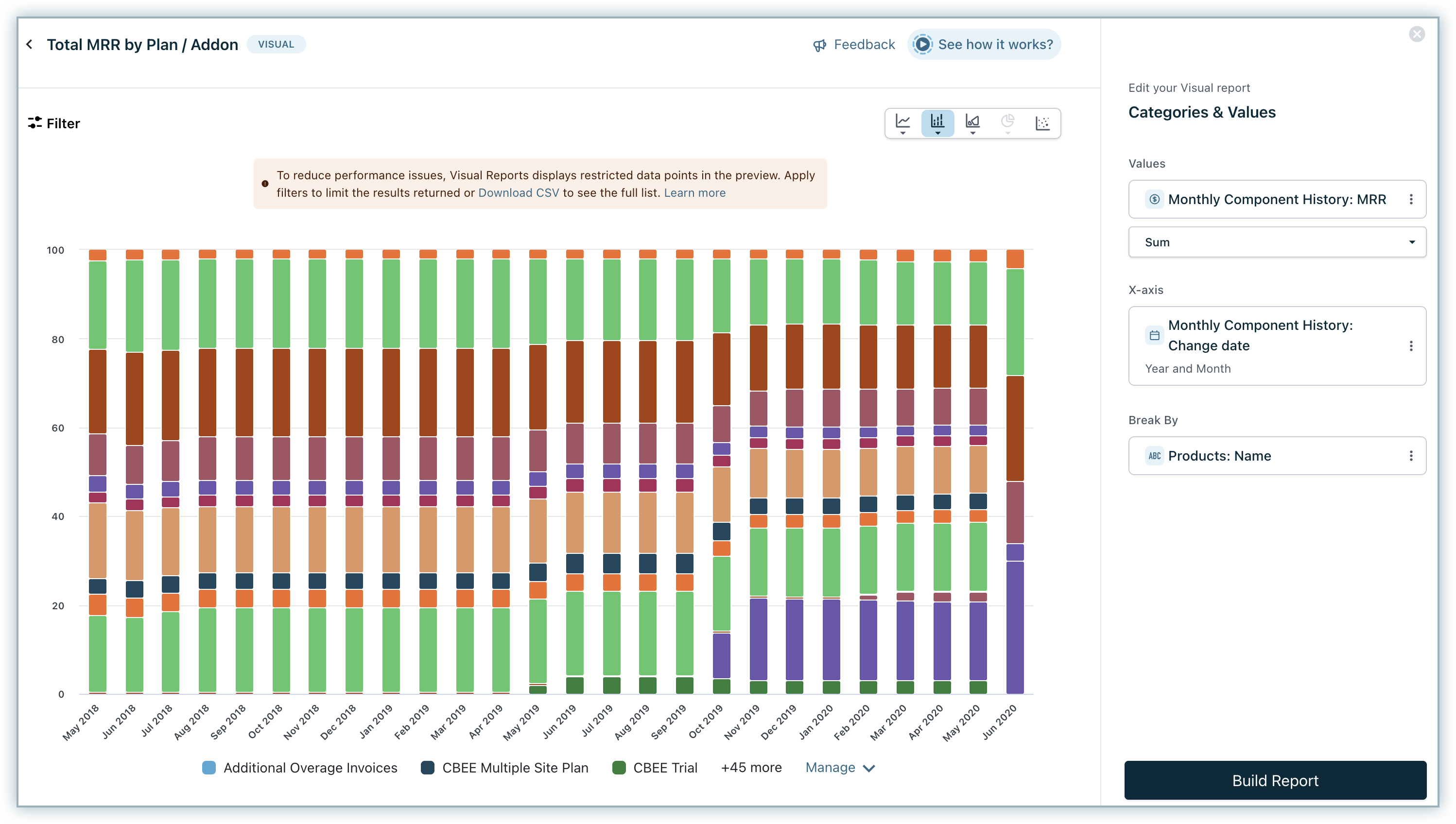
- Revenue recognition (ASC 606, IFRS 15), dunning automation, and churn analytics built into the same platform as the customer vault
Watch-outs
- $599/month base price is the highest transparent starting price in this guide; overkill for businesses not needing subscription billing
- Customer vault portability limited to Chargebee's 30+ supported gateways; not as flexible as Spreedly or EnigmaVault
- No native document or e-signature collection; payment-focused customer profiles only
Pricing breakdown
| Plan | Price | Best for |
|---|---|---|
| Performance | $599/month | SaaS subscription billing with customer vault |
| Enterprise | Custom quote | Enterprise subscription management |
Security & compliance
| Standard | Availability |
|---|---|
| Audit logs | Yes |
| Fedramp | No |
| GDPR | Yes |
| HIPAA | No |
| Iso27001 | Yes |
| Pci dss l1 | Yes |
| SOC 2 Type II | Yes |
Chargebee compliance summary: Audit logs is yes, fedramp is no, GDPR is yes, HIPAA is no, iso27001 is yes, pci dss l1 is yes, and SOC 2 Type II is yes.
Key integrations
| Integration | Type |
|---|---|
| Gmail | N/A |
| Outlook | N/A |
| Slack | N/A |
| LinkedIn Sales Navigator | N/A |
| Outreach / Salesloft | N/A |
Chargebee integration summary: Gmail is not specified, Outlook is not specified, Slack is not specified, LinkedIn Sales Navigator is not specified, and Outreach or Salesloft is not specified.
Feature availability
| Feature | Status |
|---|---|
| Free tier | ✓ 14-day trial |
| Ach | ✓ |
| Branded intake | ✓ |
| Cards | ✓ |
| Documents | ✗ |
| E signature | ✗ |
| No customer login | ✓ |
Chargebee feature availability summary: Free tier (✓ 14-day trial), Ach (✓), Branded intake (✓), Cards (✓), Documents (✗), E signature (✗), and No customer login (✓).
Loading reviews…
Payrails Token Vault
Enterprise multi-PSP customer vault with network token lifecycle managementWhat's great
- Level 1 PCI-certified PSP-agnostic vault: your customer tokens move from SAQ-D audit complexity to simplified SAQ-A compliance - Payrails publishes a specific authorization rate lift of 2-4% compared to traditional gateway tokens
- 100+ PSP integrations including Adyen, Stripe, Checkout.com, and Worldpay; enterprise customers include Puma, HelloFresh, Vinted, inDrive, and Preply - multi-vertical adoption across fashion, food, marketplace, ride-sharing, and ed-tech
- Full network token support across Visa, Mastercard, American Express, JCB, and Diners Club plus Apple Pay and Google Pay wallet credential storage - one vault for every payment method type your customers use
Watch-outs
- Early-stage G2 presence (18 reviews); you will rely on vendor reference calls rather than review volume for independent validation
- Enterprise-only engagement with no self-serve onboarding or published pricing; you need a formal sales conversation before you can evaluate cost or timelines
- Implementation overhead is significant; this is not a drop-in tokenization API but a full payment orchestration platform evaluation
Pricing breakdown
| Plan | Price | Best for |
|---|---|---|
| Enterprise | Custom quote | Large enterprise platforms with multi-PSP orchestration requirements |
Security & compliance
| Standard | Availability |
|---|---|
| Audit logs | Yes |
| Fedramp | No |
| GDPR | Yes |
| HIPAA | No |
| Iso27001 | Yes |
| Pci dss l1 | Yes |
| SOC 2 Type II | Yes |
Payrails Token Vault compliance summary: Audit logs is yes, fedramp is no, GDPR is yes, HIPAA is no, iso27001 is yes, pci dss l1 is yes, and SOC 2 Type II is yes.
Key integrations
| Integration | Type |
|---|---|
| Gmail | N/A |
| Outlook | N/A |
| Slack | N/A |
| LinkedIn Sales Navigator | N/A |
| Outreach / Salesloft | N/A |
Payrails Token Vault integration summary: Gmail is not specified, Outlook is not specified, Slack is not specified, LinkedIn Sales Navigator is not specified, and Outreach or Salesloft is not specified.
Feature availability
| Feature | Status |
|---|---|
| Free tier | ✗ |
| Ach | ✓ |
| Branded intake | ✗ |
| Cards | ✓ |
| Documents | ✗ |
| E signature | ✗ |
| No customer login | ✓ |
Payrails Token Vault feature availability summary: Free tier (✗), Ach (✓), Branded intake (✗), Cards (✓), Documents (✗), E signature (✗), and No customer login (✓).
Loading reviews…
VGS (Very Good Security)
Zero-data proxy vault for customer payment data without PCI overheadWhat's great
- 10 billion tokens stored in production with 10 billion monthly interactions; Visa, Andreessen Horowitz, and Goldman Sachs are investors - the Visa investment is direct strategic validation in the payments space
- Your customer database stores VGS aliases that look like real card numbers (format-preserving, BIN + last four preserved); your existing customer profile code needs no schema changes at all
- CNBC and Statista named VGS to the 2025 World's Top Fintech Companies list; the Card Management Platform consolidates Network Tokens, Account Updater, Card Attributes, 3DS, and Account Validation into a single API
Watch-outs
- VGS is a network dependency in your customer payment data path; proxy availability and latency affect every card-on-file charge you make from the customer vault
- Customer vault tokens are VGS-specific by design; migrating to another provider requires a formal vault export process
- Production customer vaults require a custom-priced paid plan; you cannot budget it without a sales conversation

Pricing breakdown
| Plan | Price | Best for |
|---|---|---|
| Developer | Free | Testing and development customer vault integration |
| Growth | Custom quote | Production customer payment vaulting with PCI scope reduction |
| Enterprise | Custom quote | High-volume fintech customer data protection |
Security & compliance
| Standard | Availability |
|---|---|
| Audit logs | Yes |
| Fedramp | No |
| GDPR | Yes |
| HIPAA | Yes |
| Iso27001 | Yes |
| Pci dss l1 | Yes |
| SOC 2 Type II | Yes |
VGS (Very Good Security) compliance summary: Audit logs is yes, fedramp is no, GDPR is yes, HIPAA is yes, iso27001 is yes, pci dss l1 is yes, and SOC 2 Type II is yes.
Key integrations
| Integration | Type |
|---|---|
| Gmail | N/A |
| Outlook | N/A |
| Slack | N/A |
| LinkedIn Sales Navigator | N/A |
| Outreach / Salesloft | N/A |
VGS (Very Good Security) integration summary: Gmail is not specified, Outlook is not specified, Slack is not specified, LinkedIn Sales Navigator is not specified, and Outreach or Salesloft is not specified.
Feature availability
| Feature | Status |
|---|---|
| Free tier | ✓ |
| Ach | ✓ |
| Branded intake | ✓ |
| Cards | ✓ |
| Documents | ✗ |
| E signature | ✗ |
| No customer login | ✓ |
VGS (Very Good Security) feature availability summary: Free tier (✓), Ach (✓), Branded intake (✓), Cards (✓), Documents (✗), E signature (✗), and No customer login (✓).
Loading reviews…
Authorize.Net (Customer Information Manager)
Transparent-priced customer vault for traditional merchantsWhat's great
- $25/month gateway fee is the most transparent and accessible published pricing for a PCI-compliant customer vault in this guide
- Customer Information Manager (CIM) stores multiple payment methods per customer; ARB (Automated Recurring Billing) enables subscription charging from vaulted profiles
- 617 G2 reviews at 4.1/5; decades of deployment history across retail, professional services, and B2B merchants
Watch-outs
- CIM vault is Authorize.Net-locked; customer profiles don't transfer to other processors without a data migration
- Developer experience and API design lag modern competitors significantly
- Limited to cards and eCheck; no PayPal, Apple Pay, or digital wallet vault support
Pricing breakdown
| Plan | Price | Best for |
|---|---|---|
| All-in-One | $25/month + 2.9% + $0.30 | Merchant with no existing processor relationship |
| Payment Gateway Only | $25/month + $0.10/transaction | Merchant with existing processor |
Security & compliance
| Standard | Availability |
|---|---|
| Audit logs | Yes |
| Fedramp | No |
| GDPR | Yes |
| HIPAA | No |
| Iso27001 | Yes |
| Pci dss l1 | Yes |
| SOC 2 Type II | Yes |
Authorize.Net (Customer Information Manager) compliance summary: Audit logs is yes, fedramp is no, GDPR is yes, HIPAA is no, iso27001 is yes, pci dss l1 is yes, and SOC 2 Type II is yes.
Key integrations
| Integration | Type |
|---|---|
| Gmail | N/A |
| Outlook | N/A |
| Slack | N/A |
| LinkedIn Sales Navigator | N/A |
| Outreach / Salesloft | N/A |
Authorize.Net (Customer Information Manager) integration summary: Gmail is not specified, Outlook is not specified, Slack is not specified, LinkedIn Sales Navigator is not specified, and Outreach or Salesloft is not specified.
Feature availability
| Feature | Status |
|---|---|
| Free tier | ✗ |
| Ach | ✓ |
| Branded intake | ✓ |
| Cards | ✓ |
| Documents | ✗ |
| E signature | ✗ |
| No customer login | ✓ |
Authorize.Net (Customer Information Manager) feature availability summary: Free tier (✗), Ach (✓), Branded intake (✓), Cards (✓), Documents (✗), E signature (✗), and No customer login (✓).
Loading reviews…
NMI Customer Vault
Multi-merchant customer vault for ISOs and ISVsWhat's great
- Multi-merchant vault architecture with sub-merchant isolation - purpose-built for ISOs managing multiple merchant accounts from one platform
- Customer Vault spans cards, ACH, and check payment methods across all sub-merchants in the portfolio
- 4.2/5 on G2 across 43 reviews; consistent praise for ISO/ISV flexibility and white-label capabilities
Watch-outs
- Not available as a direct merchant product; ISO/ISV partnership required for access
- Customer vault portability limited within the NMI ecosystem
- Narrower developer ecosystem than Stripe or Braintree for direct-to-merchant integrations

Pricing breakdown
| Plan | Price | Best for |
|---|---|---|
| ISO/ISV Partner | Custom partner pricing | Multi-merchant portfolio management |
Security & compliance
| Standard | Availability |
|---|---|
| Audit logs | Yes |
| Fedramp | No |
| GDPR | Yes |
| HIPAA | No |
| Iso27001 | Yes |
| Pci dss l1 | Yes |
| SOC 2 Type II | Yes |
NMI Customer Vault compliance summary: Audit logs is yes, fedramp is no, GDPR is yes, HIPAA is no, iso27001 is yes, pci dss l1 is yes, and SOC 2 Type II is yes.
Key integrations
| Integration | Type |
|---|---|
| Gmail | N/A |
| Outlook | N/A |
| Slack | N/A |
| LinkedIn Sales Navigator | N/A |
| Outreach / Salesloft | N/A |
NMI Customer Vault integration summary: Gmail is not specified, Outlook is not specified, Slack is not specified, LinkedIn Sales Navigator is not specified, and Outreach or Salesloft is not specified.
Feature availability
| Feature | Status |
|---|---|
| Free tier | ✗ |
| Ach | ✓ |
| Branded intake | ✓ |
| Cards | ✓ |
| Documents | ✗ |
| E signature | ✗ |
| No customer login | ✓ |
NMI Customer Vault feature availability summary: Free tier (✗), Ach (✓), Branded intake (✓), Cards (✓), Documents (✗), E signature (✗), and No customer login (✓).
Loading reviews…
TokenEx
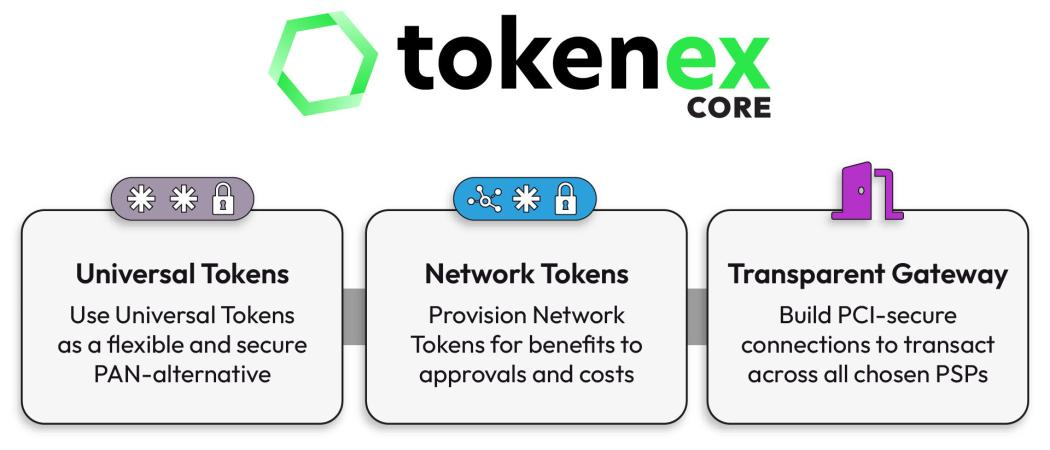
Universal customer payment vault connecting to any processorWhat's great
- map[Independent vault architecture:customer tokens are not tied to any processor; vault survives processor changes]
- Supports multiple token formats per downstream system requirement
- Both credit card and ACH/bank account tokenization in the same customer vault
Watch-outs
- No published pricing; enterprise engagement required
- No document or e-signature collection; payment methods only
- 18 G2 reviews - adequate validation but thin compared to Stripe, Chargebee, or Authorize.Net
Pricing breakdown
| Plan | Price | Best for |
|---|---|---|
| Enterprise | Custom quote | Processor-independent customer payment vault |
Security & compliance
| Standard | Availability |
|---|---|
| Audit logs | Yes |
| Fedramp | No |
| GDPR | Yes |
| HIPAA | Yes |
| Iso27001 | Yes |
| Pci dss l1 | Yes |
| SOC 2 Type II | Yes |
TokenEx compliance summary: Audit logs is yes, fedramp is no, GDPR is yes, HIPAA is yes, iso27001 is yes, pci dss l1 is yes, and SOC 2 Type II is yes.
Key integrations
| Integration | Type |
|---|---|
| Gmail | N/A |
| Outlook | N/A |
| Slack | N/A |
| LinkedIn Sales Navigator | N/A |
| Outreach / Salesloft | N/A |
TokenEx integration summary: Gmail is not specified, Outlook is not specified, Slack is not specified, LinkedIn Sales Navigator is not specified, and Outreach or Salesloft is not specified.
Feature availability
| Feature | Status |
|---|---|
| Free tier | ✗ |
| Ach | ✓ |
| Branded intake | ✓ |
| Cards | ✓ |
| Documents | ✗ |
| E signature | ✗ |
| No customer login | ✓ |
TokenEx feature availability summary: Free tier (✗), Ach (✓), Branded intake (✓), Cards (✓), Documents (✗), E signature (✗), and No customer login (✓).
Loading reviews…
Evervault
Developer-first cryptographic vault with zero-data architectureWhat's great
- Evervault Encryption Engine (E3) runs exclusively inside an AWS Nitro Enclave - all key management and cryptographic operations happen in hardware-isolated memory that AWS itself cannot access; your keys and your customers' card data are cryptographically separated from every infrastructure layer
- Up to 95% PCI DSS scope reduction - the SDK encrypts customer card data in-browser at the point of collection so plaintext never traverses your network; the Relay proxy handles decryption transparently when forwarding to payment processors
- Ramp (the corporate card fintech) uses Evervault to issue embedded virtual cards without additional compliance overhead - a named production reference from a company operating at significant scale
Watch-outs
- 14 G2 reviews; you are relying on vendor documentation and direct reference conversations rather than a large community of reviewers for independent validation
- Building your customer vault on Evervault's cryptographic primitives requires meaningful engineering investment - it is not a turnkey vault UI; your team assembles Relay, Cage, and Card into the customer data flow
- No document or e-signature collection; if your customer vault needs to hold compliance documents alongside payment cards, you need a separate system

Pricing breakdown
| Plan | Price | Best for |
|---|---|---|
| Developer | Free | Early-stage customer vault integration and testing |
| Startup | Custom quote | Production card tokenization vault for growing fintech |
| Enterprise | Custom quote | High-scale cryptographic customer data vault |
Security & compliance
| Standard | Availability |
|---|---|
| Audit logs | Yes |
| Fedramp | No |
| GDPR | Yes |
| HIPAA | Yes |
| Iso27001 | Yes |
| Pci dss l1 | Yes |
| SOC 2 Type II | Yes |
Evervault compliance summary: Audit logs is yes, fedramp is no, GDPR is yes, HIPAA is yes, iso27001 is yes, pci dss l1 is yes, and SOC 2 Type II is yes.
Key integrations
| Integration | Type |
|---|---|
| Gmail | N/A |
| Outlook | N/A |
| Slack | N/A |
| LinkedIn Sales Navigator | N/A |
| Outreach / Salesloft | N/A |
Evervault integration summary: Gmail is not specified, Outlook is not specified, Slack is not specified, LinkedIn Sales Navigator is not specified, and Outreach or Salesloft is not specified.
Feature availability
| Feature | Status |
|---|---|
| Free tier | ✓ |
| Ach | ✗ |
| Branded intake | ✓ |
| Cards | ✓ |
| Documents | ✗ |
| E signature | ✗ |
| No customer login | ✓ |
Evervault feature availability summary: Free tier (✓), Ach (✗), Branded intake (✓), Cards (✓), Documents (✗), E signature (✗), and No customer login (✓).
Loading reviews…
The customer vault as the center of the payment relationship
Most merchants think about their payment vault as infrastructure. The reality is that a well-implemented customer vault is a competitive asset.
When a customer’s payment method is tokenized and vaulted, the merchant owns the payment relationship - not the processor. The customer doesn’t have to re-enter their card when the merchant changes processors, adds a second gateway for redundancy, or expands into a new geography requiring a different acquiring bank. The token persists. The relationship persists.
The businesses that understand this build on processor-agnostic vaults from day one. They own the customer payment profile. They can negotiate better processing rates by presenting existing tokenized card volume to a new processor. They can add a backup processor for redundancy without a re-onboarding event. They can route individual transactions to the processor offering the best authorization rate for that card type or geography.
The businesses that don’t understand this build on processor-native vaults - convenient at first, expensive when they hit the ceiling.
When a customer vault needs more than payment data
The payment industry built customer vaults around payment methods, and most products reflect that. But in regulated industries, the customer onboarding event requires more than a card.
Healthcare practices need a credit card for copay plus signed consent forms and HIPAA authorization. Law firms need a retainer card plus engagement letter signatures. Property managers need a rental card plus ID verification and lease signatures. Financial advisors need investment account payment plus KYC documentation.
For these use cases, a card-only vault creates an operational problem: you need one system for the card, another for the documents, another for the signatures, and a workflow to tie them together. EnigmaVault’s Customer Vault solves this by collecting all three in the same branded intake flow - the customer submits their card, uploads required documents, and signs electronically via a single secure link. Everything lands in the customer’s vaulted profile. No separate document management system required.
This is a niche need, but for the industries where it applies - healthcare, legal, property management, financial services - it eliminates significant operational overhead and compliance risk.
How we chose these ten tools
We evaluated each customer vault platform on payment method coverage (cards, ACH, wallets), document and e-signature collection capability, branded intake flow flexibility, multi-tenant isolation, PCI DSS Level 1 certification, audit logging depth, pricing transparency, and G2 reviewer satisfaction. G2 ratings pulled October 2026. Pricing verified from vendor sites or third-party sources.
For corrections or feedback, email hello@ceopickz.com .
Frequently asked questions
EnigmaVault vs Spreedly for processor-agnostic customer vault tokenization: which handles multi-PSP routing better?
Spreedly is the stronger option purely for multi-PSP routing - 120+ gateway connectors, a dedicated payment orchestration layer, and mature failover and retry logic across processors. EnigmaVault is the stronger option when your customer vault needs to hold more than payment methods: it supports card collection, document upload, and e-signature in a single branded intake flow, with PCI L1 + SOC 2 + ISO 27001 out of the box and a free Lite tier. If your primary need is routing flexibility across many processors, start with Spreedly. If your customer onboarding collects payment plus compliance documentation, EnigmaVault is the better fit.
How does Payrails Token Vault compare to NMI Customer Vault for multi-PSP enterprise platforms?
Payrails is purpose-built for large enterprise platforms running multiple PSPs - its token vault is processor-agnostic by design, supports network token lifecycle management, and is architected for payment orchestration at scale. NMI Customer Vault is primarily designed for ISO and payment facilitator portfolios - strong for sub-merchant customer profile isolation, but less focused on enterprise multi-PSP orchestration. For a global enterprise platform managing payments across Stripe, Adyen, and regional acquirers, Payrails is architecturally closer. For a payment facilitator managing hundreds of sub-merchant vaults, NMI is the right model.
Does Evervault support HIPAA-compliant customer vault storage for healthcare payment collection?
Evervault's Relay and Cage products provide encryption and tokenization with a zero-data architecture, and Evervault has been used in healthcare payment contexts, but its primary strength is developer-first cryptographic infrastructure rather than a packaged healthcare payment vault. For HIPAA-compliant customer vault storage that requires a signed BAA, PCI DSS Level 1 certification, and explicit PHI handling, EnigmaVault (BAA available on paid tiers, PCI L1) or a healthcare-specific payment solution is a more direct compliance path. Evervault suits engineering teams that want to build their own HIPAA-compliant vault on a cryptographic primitive layer.
VGS vs EnigmaVault for zero-data customer vault architecture: which is better for a card-issuing fintech?
VGS uses a proxy model - card data is intercepted at the network layer and replaced with a VGS alias before it touches your systems. EnigmaVault uses an API vault model - your application calls the Data Vault API to store and retrieve tokenized values. For a card-issuing fintech, VGS's proxy architecture provides the fastest path to PCI scope reduction without rewriting application code, which is why it's popular with early-stage card programs. EnigmaVault's vault is better for use cases requiring explicit customer profile management, document storage, and branded onboarding flows alongside payment tokenization.
What customer vault software works best for SaaS platforms with multiple sub-merchants sharing one vault infrastructure?
NMI's Customer Vault is the most established option for ISO and payment facilitator portfolios managing sub-merchant customer profiles - it provides tenant isolation, sub-merchant access controls, and audit logging at the portfolio level. Spreedly's Universal Vault supports multi-merchant architectures with separate vault namespaces per merchant. EnigmaVault provides multi-tenant isolation with per-tenant audit logging. For marketplace and SaaS platforms where each tenant must be cryptographically isolated from others, all three support this - NMI is the most operationally mature, EnigmaVault is the most accessible on pricing.
Can I migrate from Stripe Customer API to an independent customer vault without re-collecting cards from customers?
Yes, but it requires a formal PAN data export from Stripe. You submit a request to Stripe Support with documentation that the receiving vault is PCI DSS Level 1 certified, Stripe exports the underlying PANs under PCI-governed conditions, and you re-tokenize them in your new vault (EnigmaVault, Spreedly, or TokenEx). The migration window is typically 30-60 days. Customers do not need to re-enter their cards. The key requirement: the receiving vault must be PCI Level 1 certified - Stripe will not export to a non-certified provider.
Does a customer vault support storing ACH bank accounts and credit cards in the same customer profile?
Most platforms in this guide support both. EnigmaVault, Spreedly, Stripe, Braintree, Authorize.Net CIM, NMI, Recurly, and Chargebee all store ACH bank accounts alongside card data in the same customer profile. ACH tokenization differs from card tokenization in the collection step: ACH typically requires micro-deposit verification or instant bank verification via Plaid before the account is vaulted. Once verified and tokenized, ACH and card tokens live in the same customer profile and can be used for future billing without re-verification.
Which customer vault is best for healthcare and legal businesses that need payment plus signed consent forms in one flow?
EnigmaVault is the only platform in this guide that combines card tokenization, document upload, and e-signature collection in a single branded customer intake flow. The customer receives a secure, expiring link - they submit their card, upload required documents, and sign electronically in one step. Everything lands in their vaulted customer profile. For healthcare practices (copay card + consent form + HIPAA authorization), law firms (retainer card + engagement letter), and property managers (rental card + lease signature), this eliminates the need for a separate document management system.
Related helpful reads
Write a review
Posts to the page right away. Keep it real — no links or email addresses.